

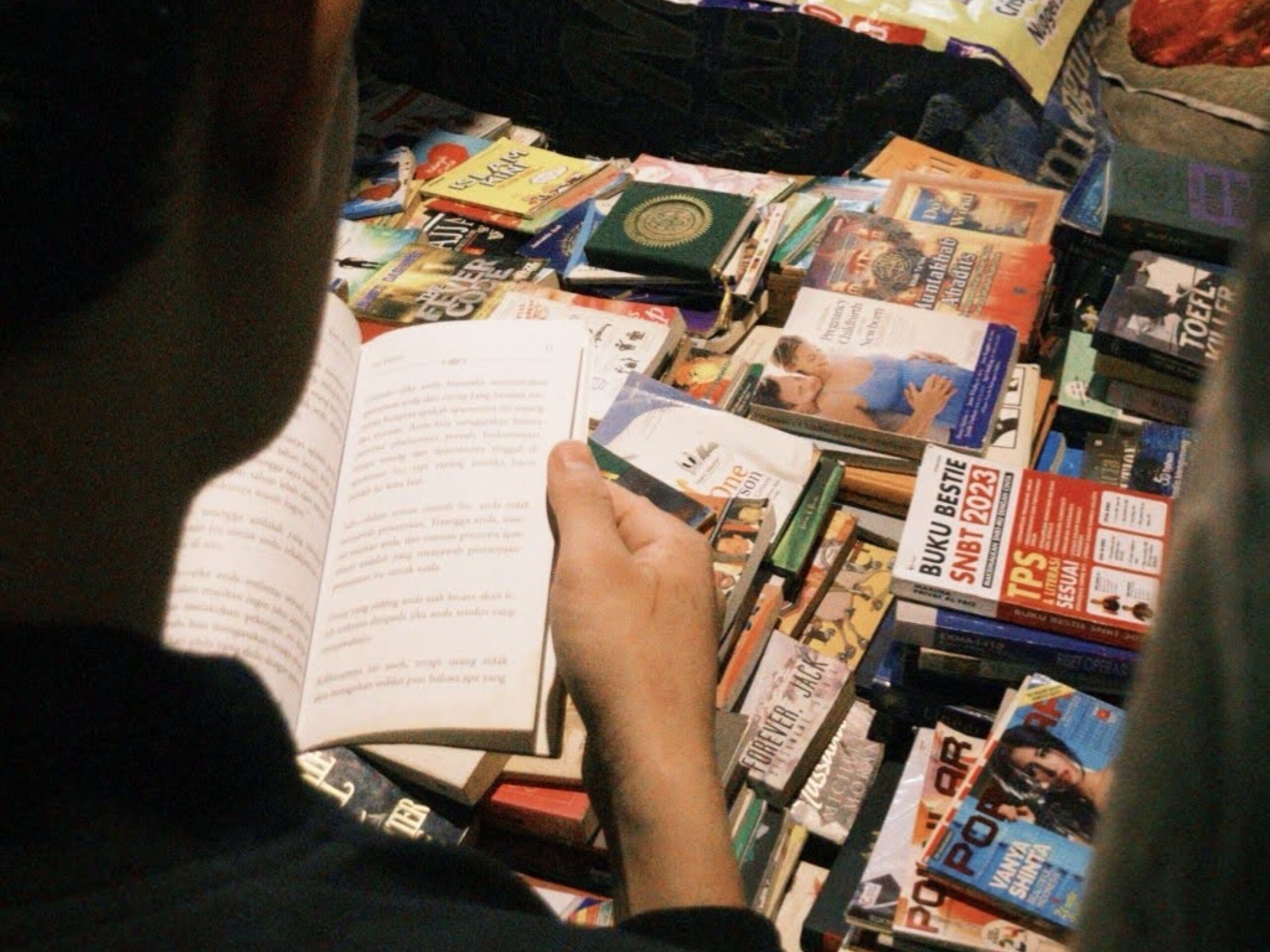
How to Read like a Human Being
Before closing my eyes at the end of the day, I sometimes like to scroll through X or TikTok. It’s what people call ‘doomscrolling’. Unhealthy, I know. But that’s what I do.
Most of the time, what I see is just trivial content and live commerce. But sometimes, I stumble across something that sparks something deeper. It makes me want to pause, reflect, and share to others. That’s why this blog is titled Found in Doomscroll.
These days, I found that more and more people are getting FOMO for things, even reading. With bookfluencers, book clubs, and BookToks, there’s this unspoken pressure to read as many books as quickly as possible.
I’ve felt that, too.
Growing up, I loved reading comics and light novels. But now, I’m constantly bombarded with book recommendations from people offline and online. As a result, I rush through one book just to get to the next. I get FOMO if I haven’t read what everyone else has. But deep down, I know that this is not good.
Then I came across a video by Carlos Lozada, a Pulitzer-winning opinion columnist at The New York Times. His insight? An interesting take on how to read not for speed, but like a human being.
1. Treat Four Books Like Your Friends
“Whatever your moods, whatever your ups and downs, at least one of your friends will be there when you need it.”
You may have many good friends. Some you see every day, some you only see once in a while. But when you reconnect, it’s like no time has passed. Books are like that too.
More often than not, we tend to only read one book at a time. But, Lozada said that it doesn’t have to be like that. It’s okay to read a book, put it aside for a moment, and pick up another book. And another one, if you want, before going back to the first book.
He encourages us to read like we socialize: not just with one book at a time, but “hang out” with several at once. Some books you may finish in a weekend. Others, you might put down for months. That’s okay.
For me, reading one book for too long feels like talking to one person nonstop; it gets exhausting. So, switching between our readings might help keep things fresh and interesting.
2. Don’t Look for Yourself in Books
“When we can feel our own fears and our own joys in the lives of others who seem very distant from us, we are touching something universal.”
A common piece of advice is that we should read books that we can personally relate to. However, Lozada suggests the opposite: read stories unlike yours, and find yourself in them.
It reminds me of meeting a stranger in a strange place, and, against all odds, realize you share a weirdly specific interest or a mutual friend. It surprises and excites you. Books can do that, too.
Instead of always seeking mirrors, try seeking windows. That’s where empathy begins.
3. Fight Over Books (or With Them)
“Reading is how you understand not just what you believe, but why you believe it.”
When a book contradicts our instinct and opinion, we often stop reading it. Yet, Lozada encourages us to stay with the discomfort and keep reading. Keep going and ask yourself, “why does this book bother me?”
Books are written by humans. They are fruits of other people’s experiences, values, and beliefs. Of course they’ll differ from ours. My college professors taught me that instead of dismissing them, we should engage with them. Ask questions. Let our own views be sharpened in the process.
Reading like this means accepting that books, like people, can contradict and annoy you while still being able to teach us something.
4. Be a messy reader
“Read alone, or read in a community… Also, read with your children as long as you possibly can, which may be longer than you expect.”
Read fun comics. Read serious biographies. Read cringey romance. Read together at the park. Read alone on your phone at 3AM. Read five books at once and finish none of them. That’s fine.
Just like having different friends from different backgrounds, our bookshelf deserves variety too. It helps us stretch our thinking. Who knows? Maybe you’ll actually enjoy sci-fi paranormal coming-of-age romance novels while sipping coconut matcha on the pavement.
The point is: Read what you want, when you want, and how you want. Books should be explored and enjoyed at your own will and pace. Read for curiosity. Read for the slow burn. Read to empathize. As Lozada said,
“If your reading ever leads you to ask, ‘I wonder what it would be like to be another person?’ you’re doing it right. You’re reading like a human.”
So keep scrolling if you want. But if something makes you stop and think, follow it. Let it lead you somewhere unexpected.